
Helen He · Designer & Software Engineer
Making intelligent systems clearer, kinder, and easier.
I work across consumer products, AI, and technical systems, especially where people need to understand what the technology is doing and stay meaningfully in control.
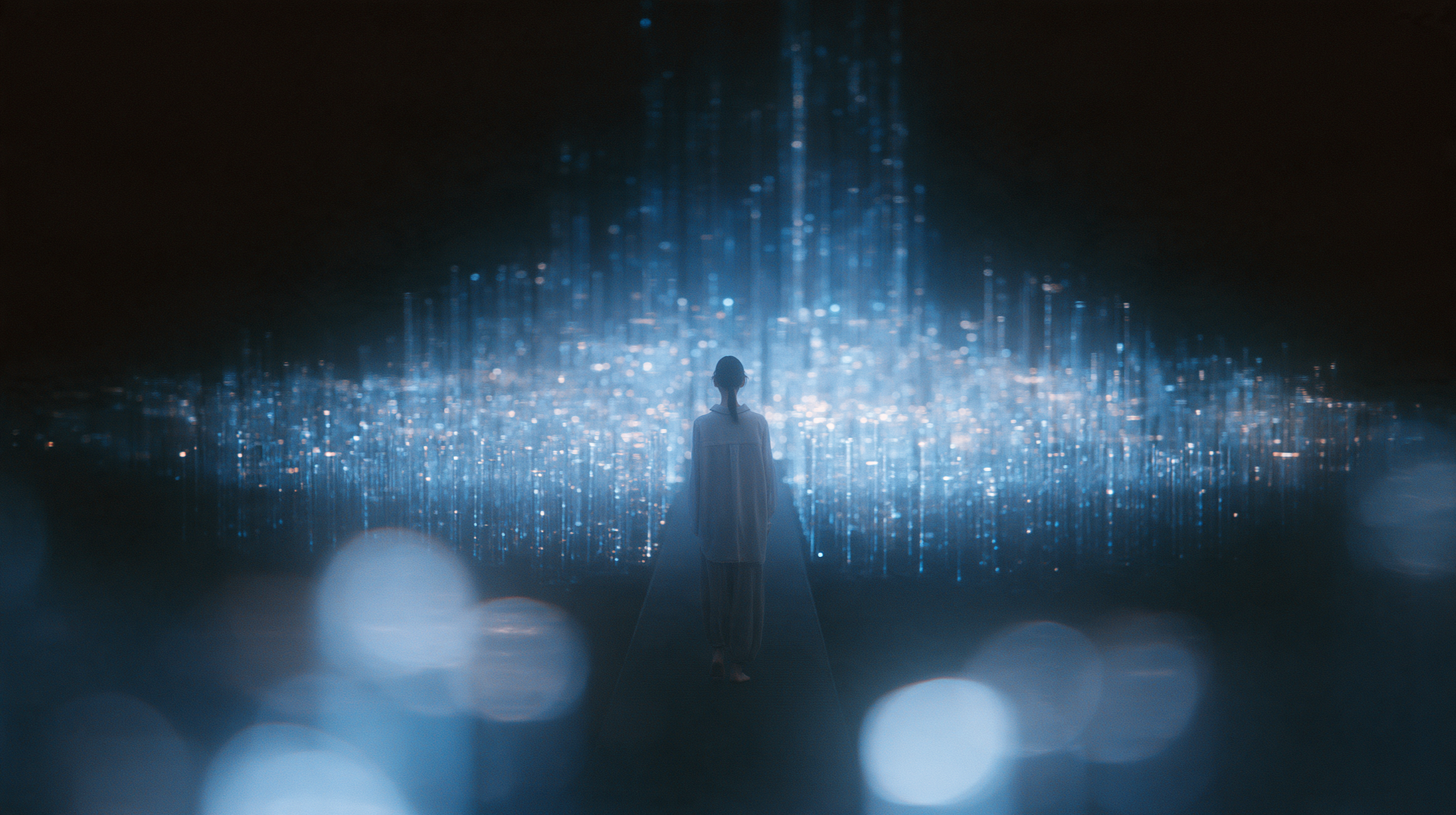
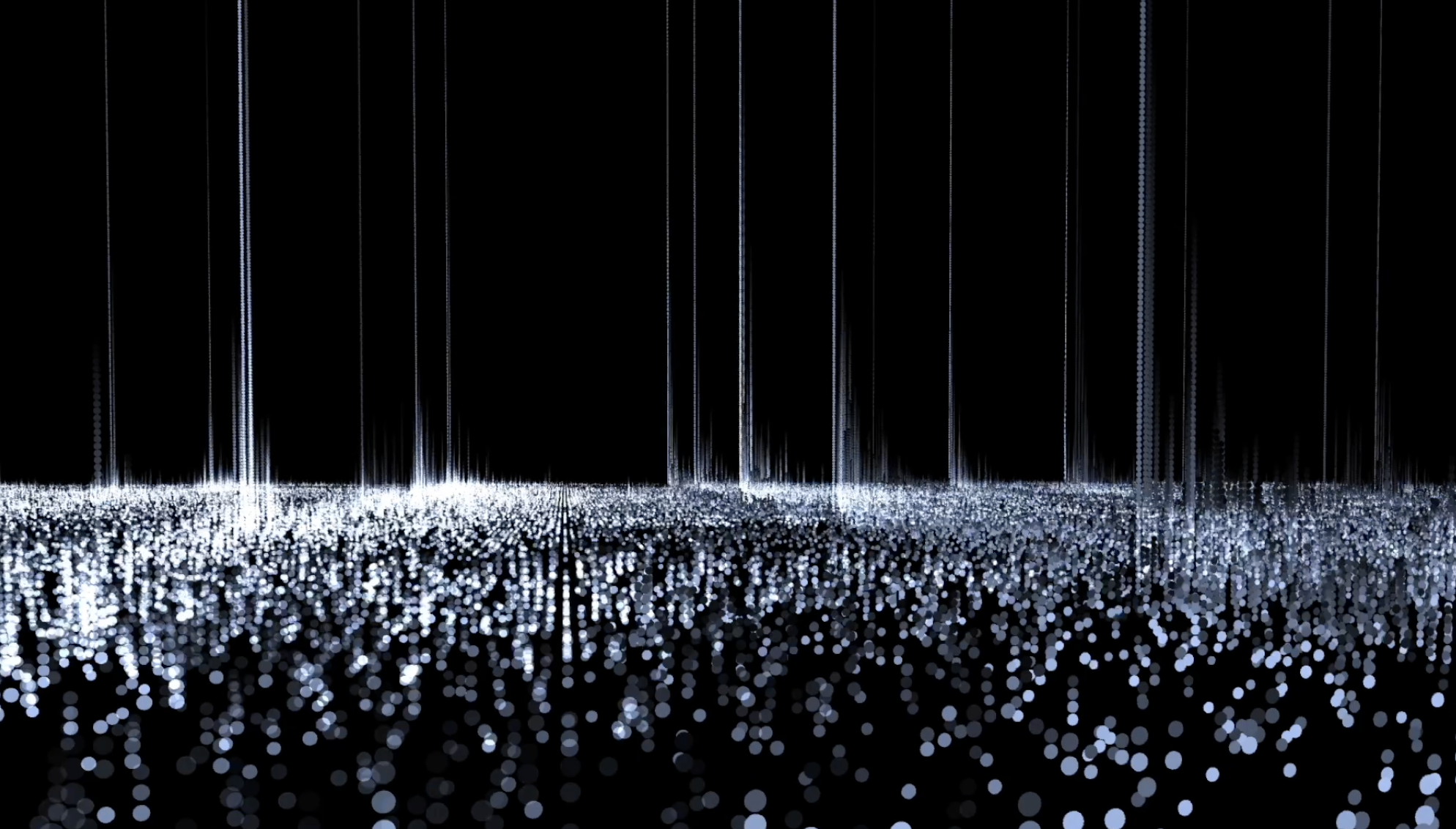
Header artwork: Pillars of Memory, an original composition rendered with Midjourney.
A designer’s job is not to add. It is to remove everything between a person and what they came to do.
Make complexity legible
Structure information so the right thing is obvious at a glance, even when the system underneath it isn’t.
Designed for humans
Systems should meet people with patience: forgiving of error, honest about state, generous with guidance.
Reduce friction, not understanding
Remove unnecessary effort between intent and action without hiding the information or control people actually need.
Previously at






Featured Work
-
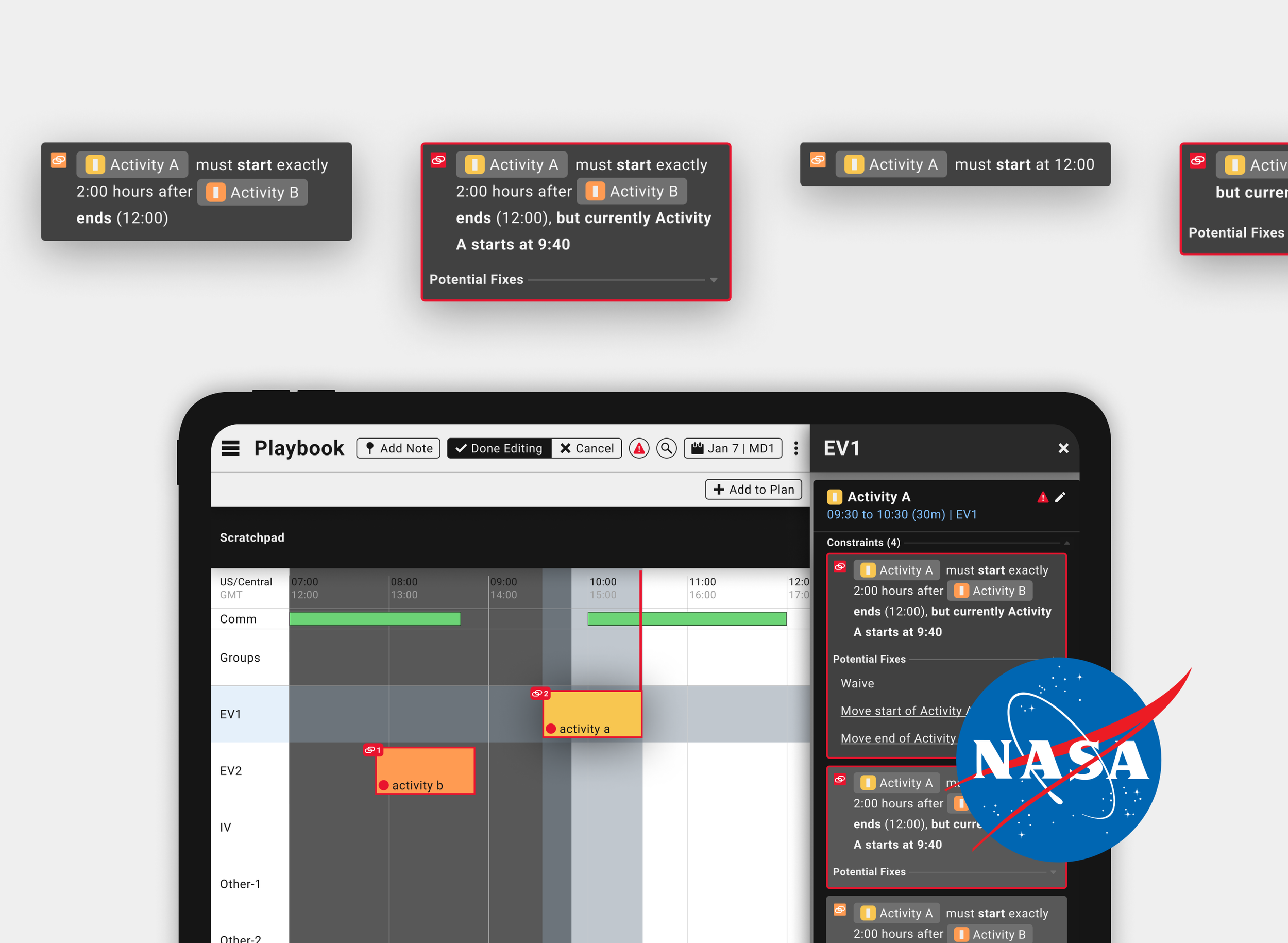
NASA Playbook Constraints
Making invisible scheduling rules readable, visible, and actionable for mission planning.
-
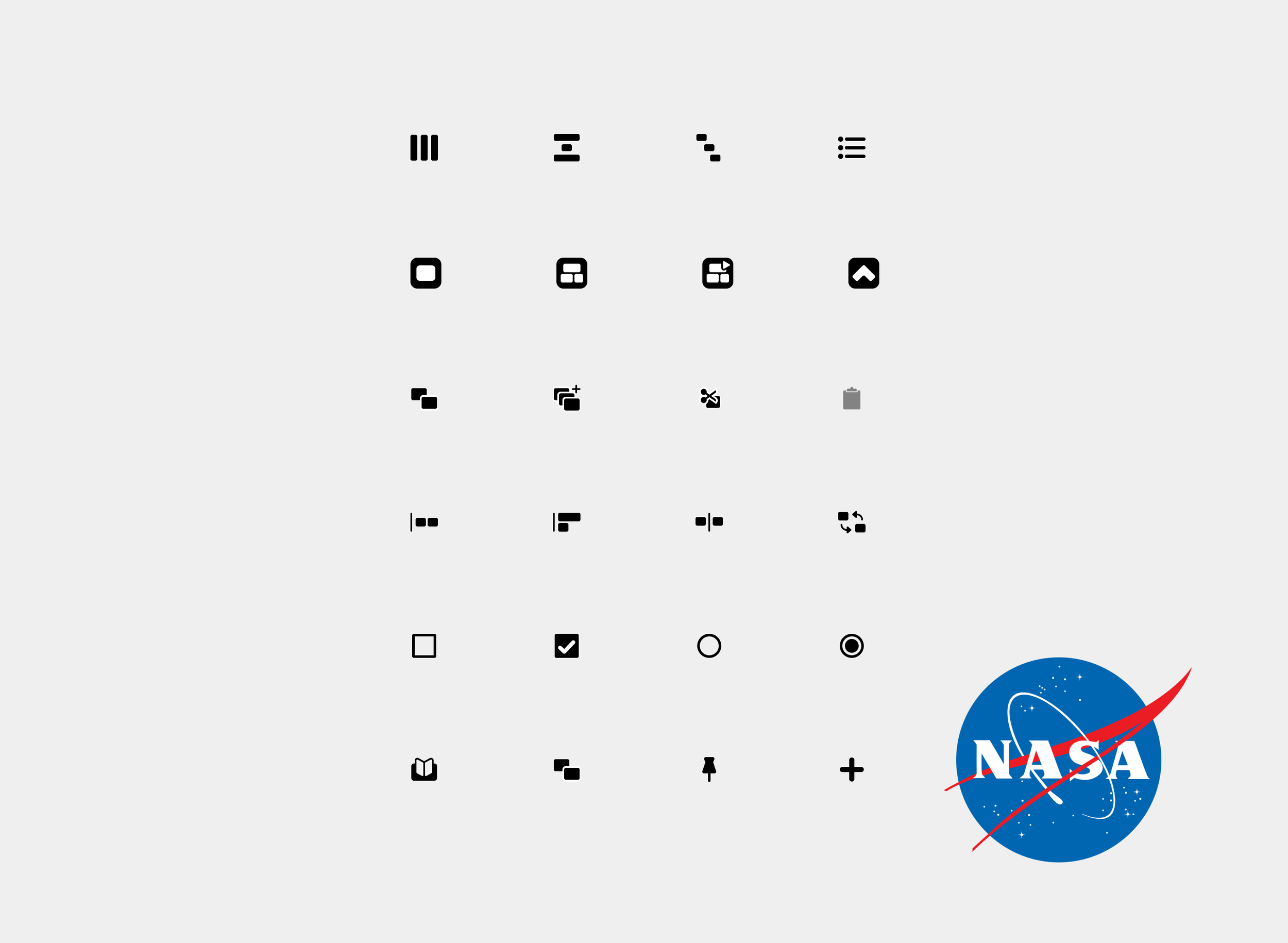
NASA Playbook Iconography
Redesigning a visual language for faster recognition in a dense NASA scheduling tool.
-
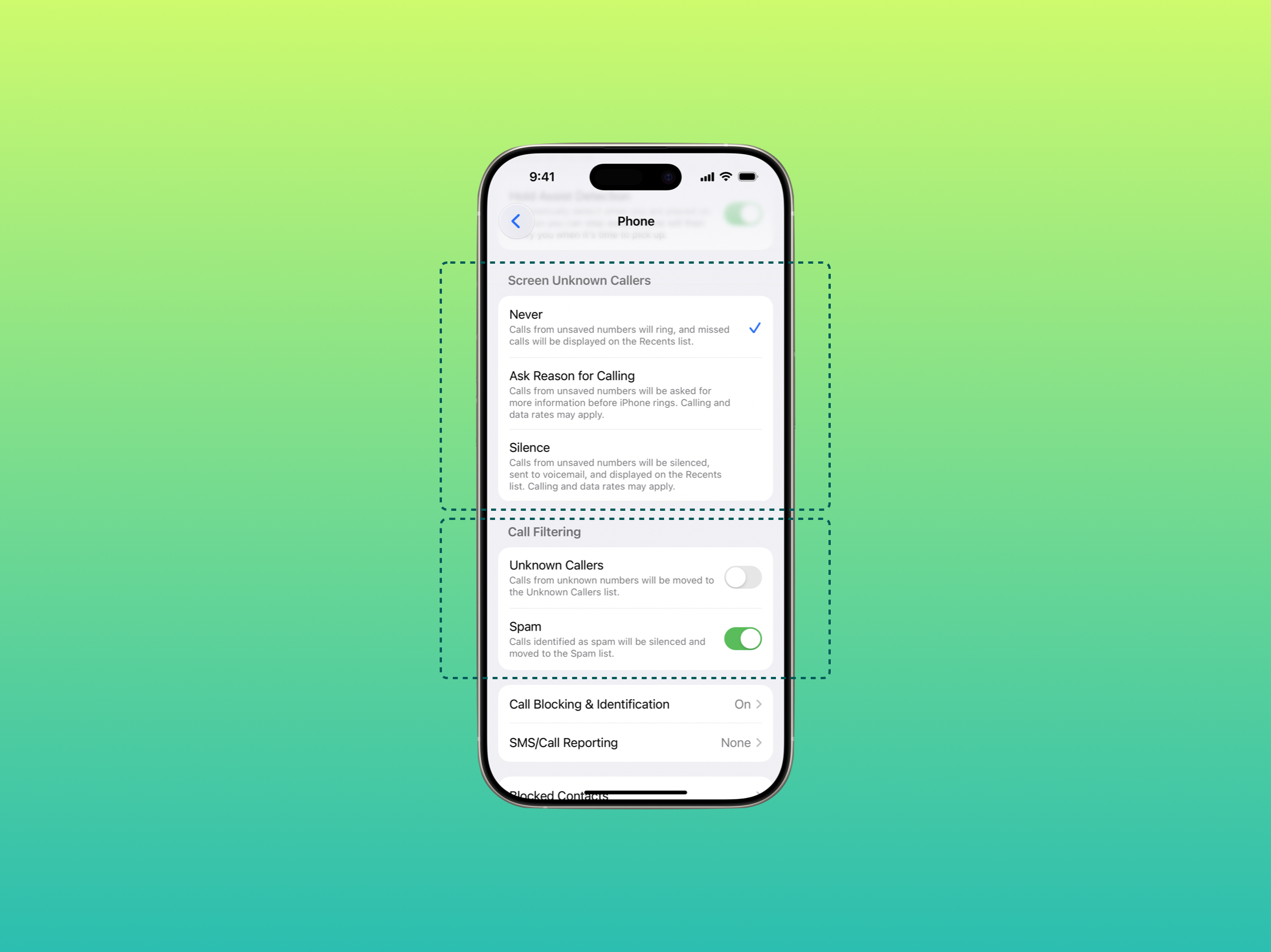
Apple Call Screening Settings
Designing the controls behind a headline iOS 26 feature, so your iPhone can screen unknown callers before it ever rings.
-
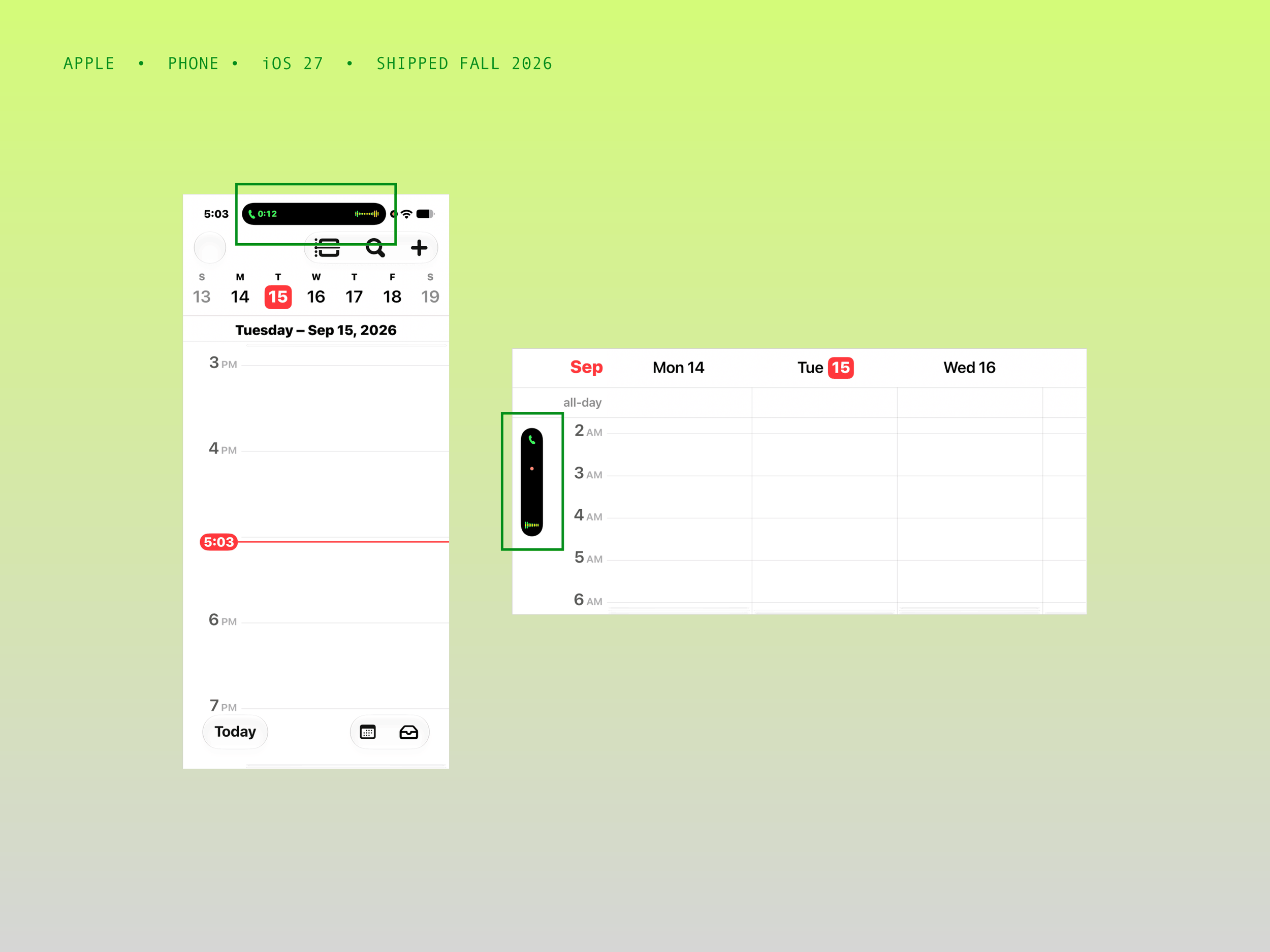
Apple Landscape Dynamic Island
Transforming the Dynamic Island call experience work sideways for iOS 27: compact, expanded, and everything in between.
-
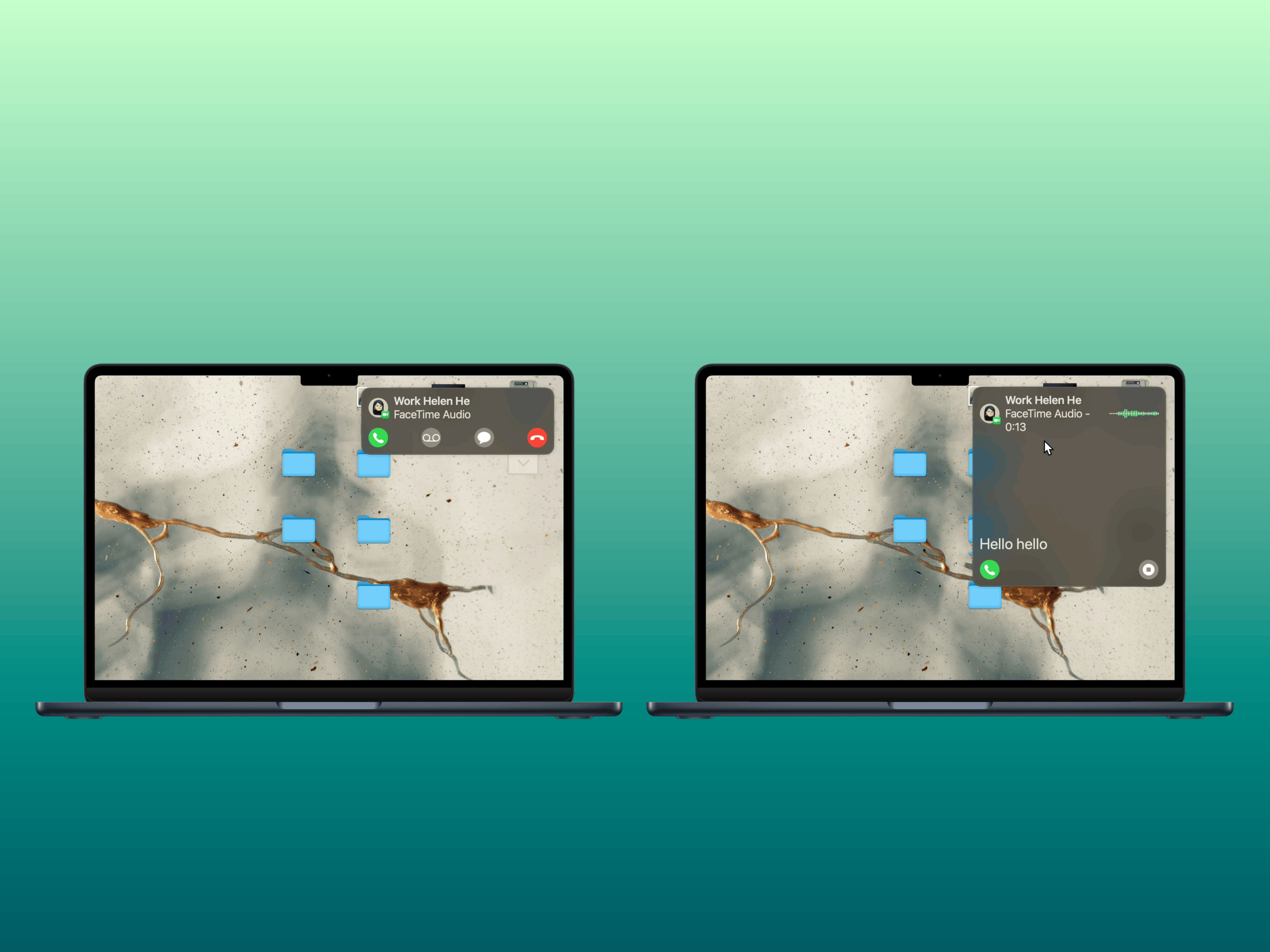
Live Voicemail on Mac
Bringing an iPhone feature to the Mac, so a voicemail transcribes live on your desktop and you can pick up before it ends.
-

Phone + FaceTime App Polish
Sweating the small in-call details across Phone and FaceTime, the kind of fixes you only notice when they're wrong.
Side Explorations
-
![]()
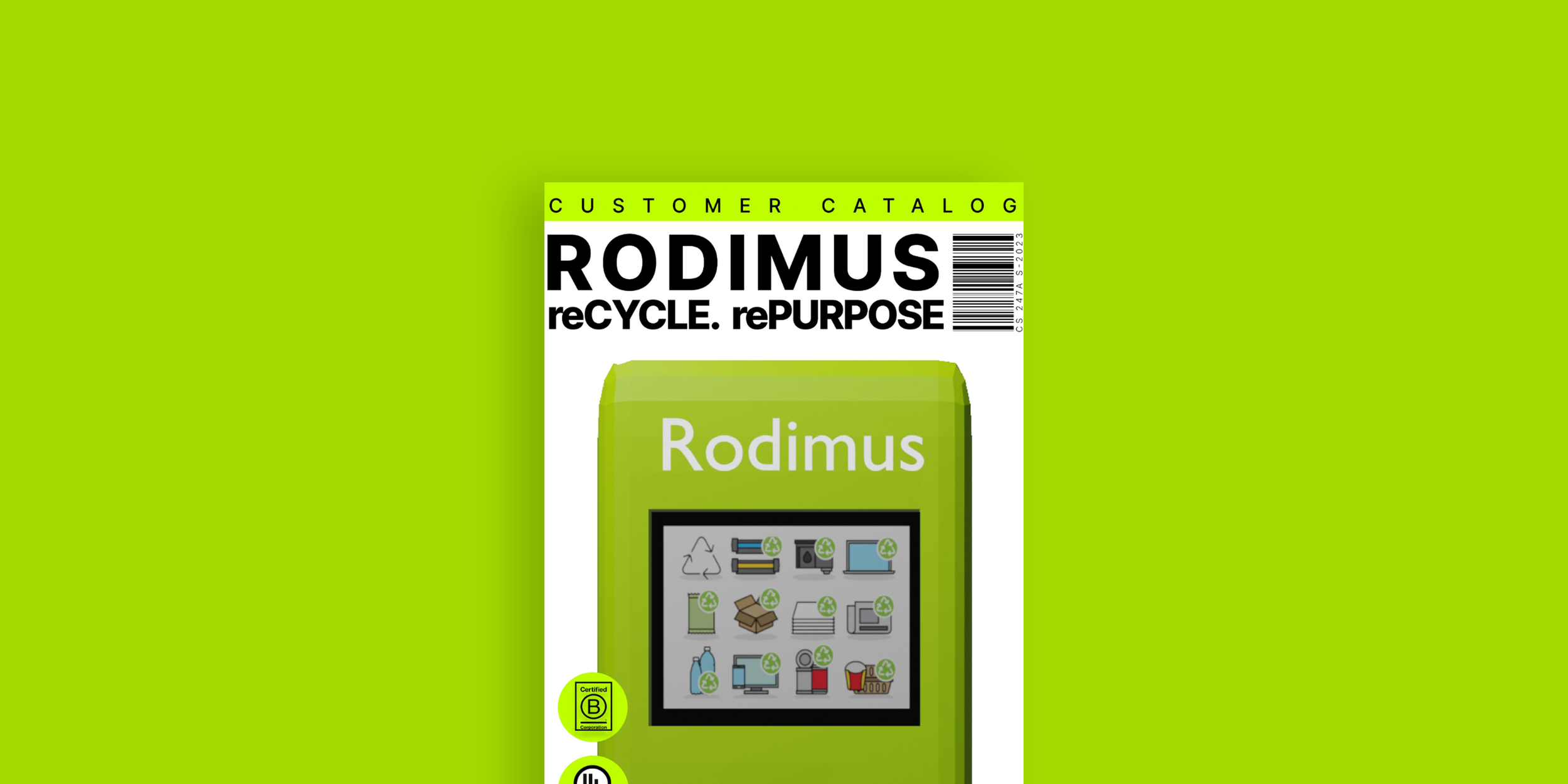
Rodimus: Designing Trust Around Waste
A speculative AI concept exploring how feedback, visibility, and system trust shape everyday recycling behavior.
-
![]()
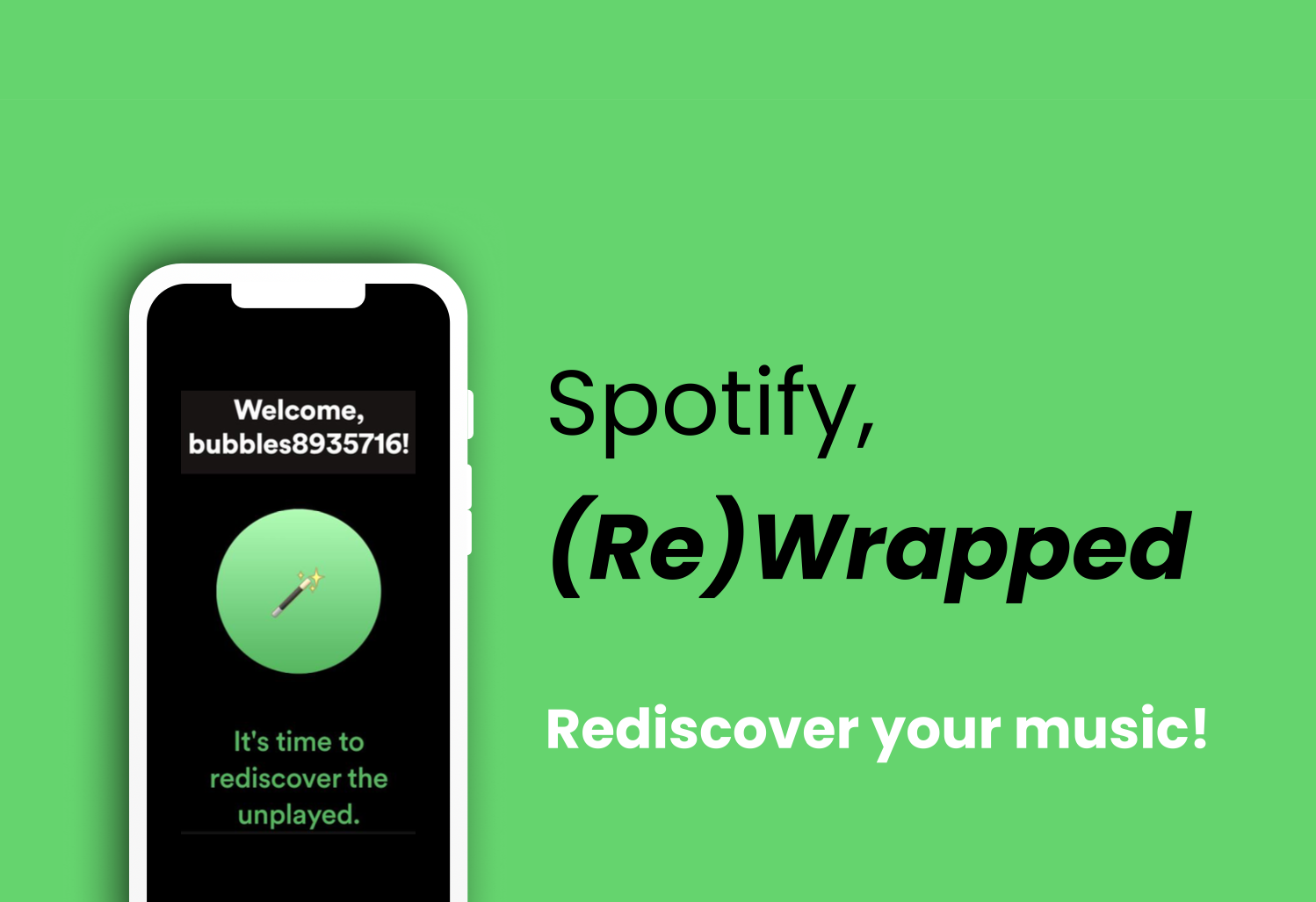
Spotify (Re)Wrapped
Helping listeners rediscover the songs they saved, loved, and accidentally buried.
-
![]()
Pillars of Memory
Processing everyday phone photos into translucent towers of color, light, and almost-remembered places.
-
![]()
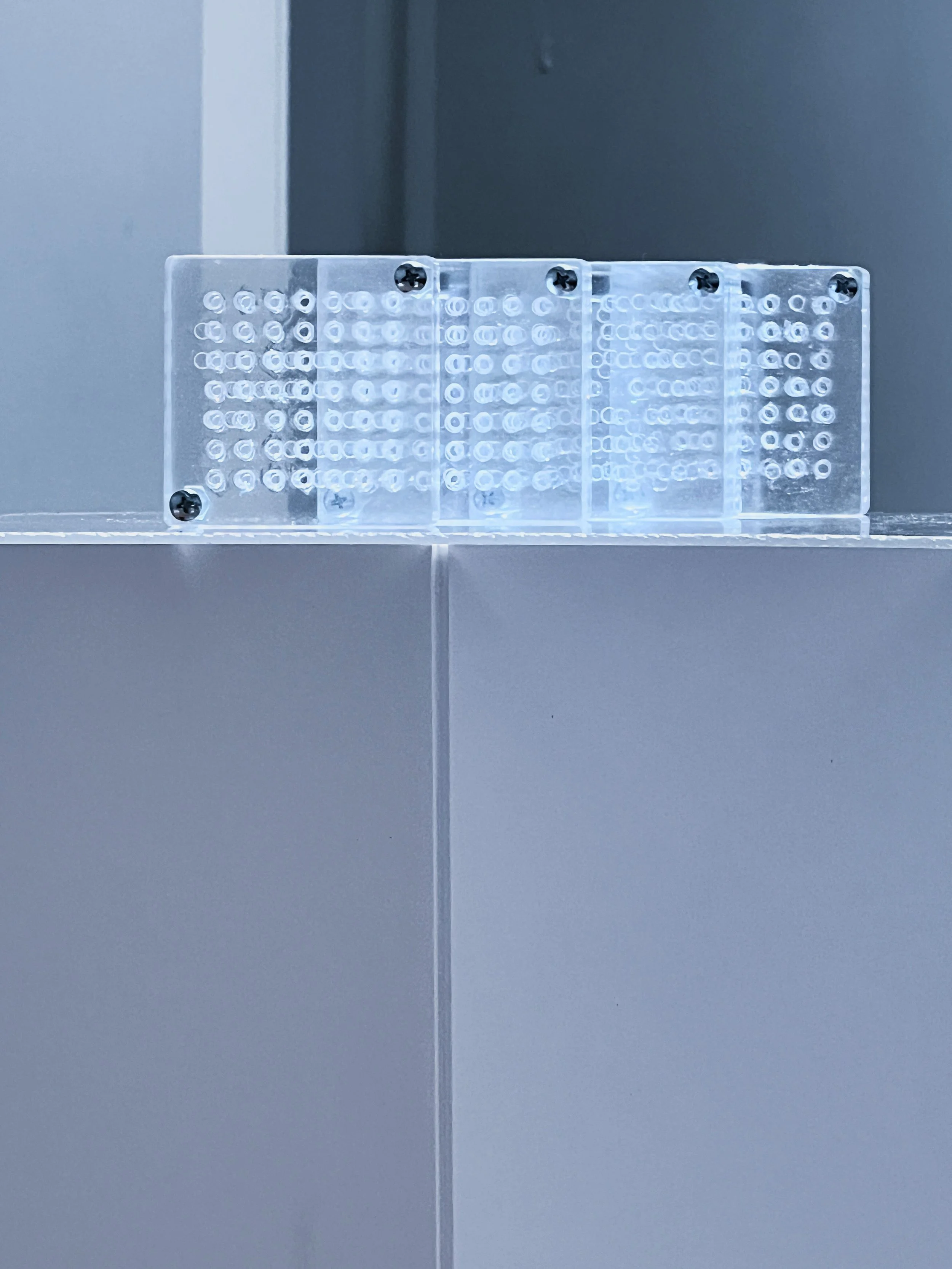
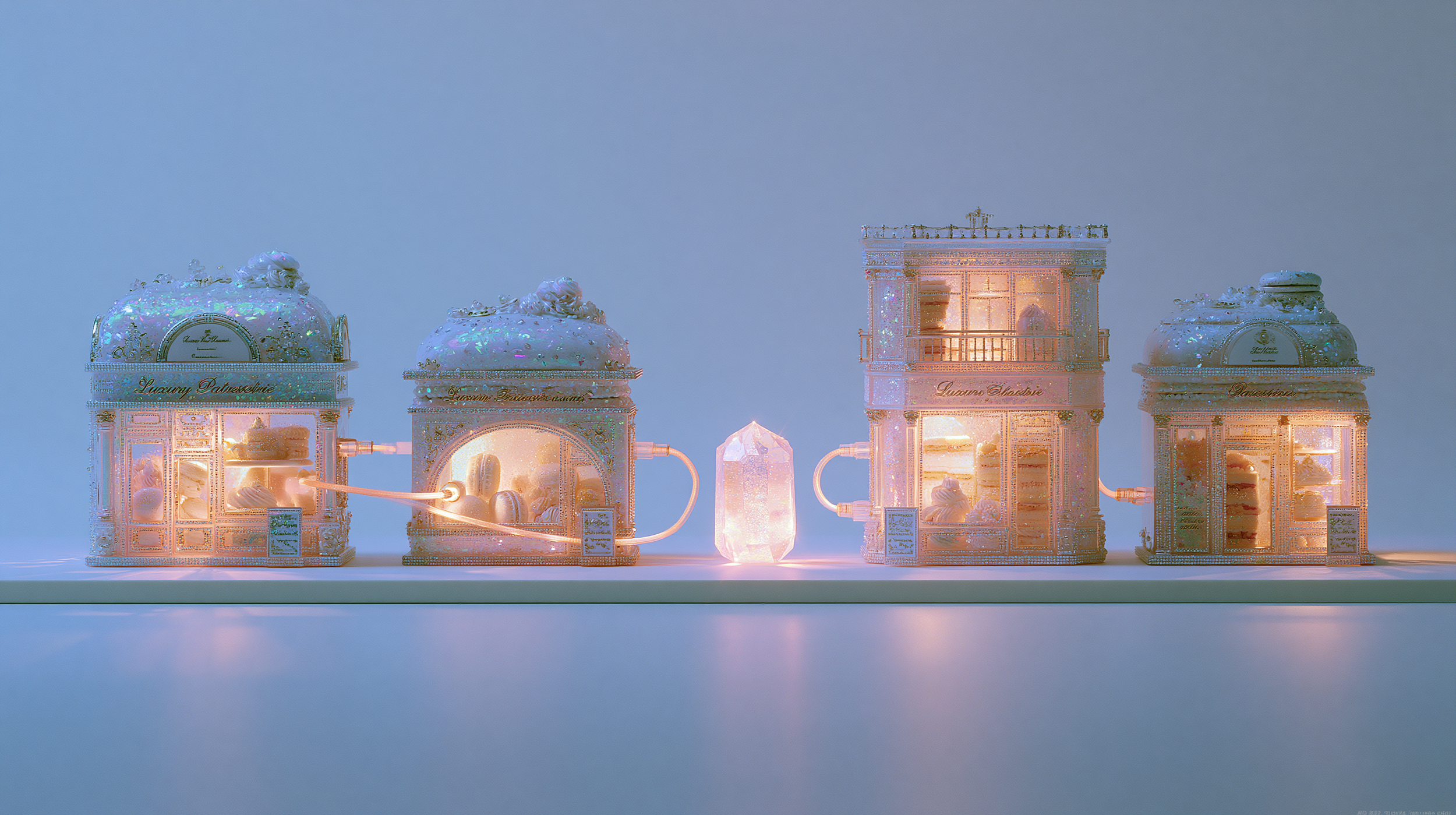
Vessels of Memory
Phone photos transformed into glowing acrylic vessels, preserving everyday memories as delicate objects of light.
-
![]()
Swift, Styled
An AI-assisted visual experiment translating Swift and SwiftUI concepts into tactile, high-fashion metaphors.
-
![]()
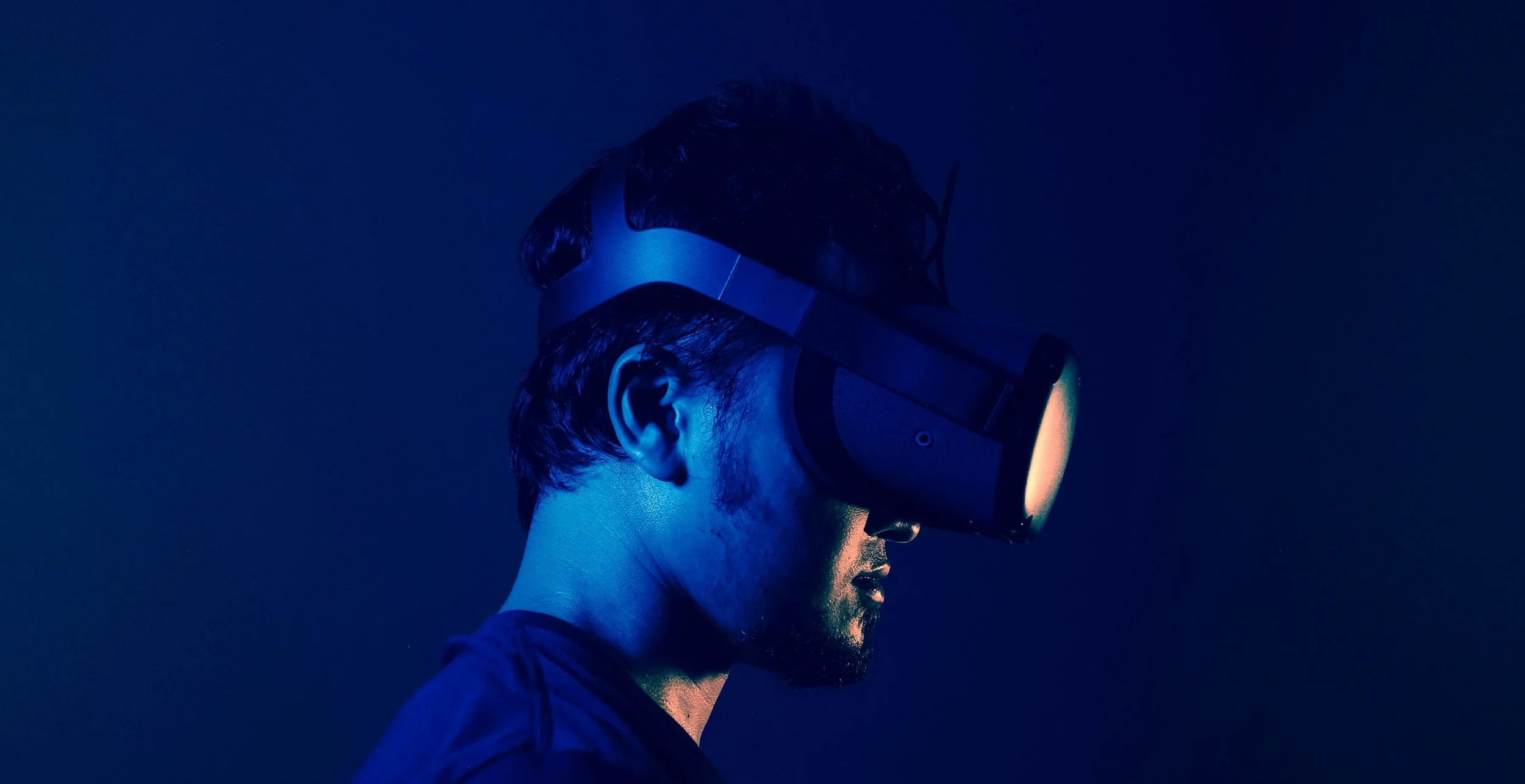
Virtual Vogue: Testing Embodied AR
An HCI study exploring whether virtual clothing can influence attention, creativity, and self-perception.
-
![]()
Optimizing the Brew: A Coffee Ritual
A tiny time-motion study using human-factors methods to reduce friction in an everyday dorm coffee routine.
-
![]()
Mixed (Im)Materiality
A soft motion study of color, light, and the shifting boundary between physical and digital material.


Experimental Systems
-
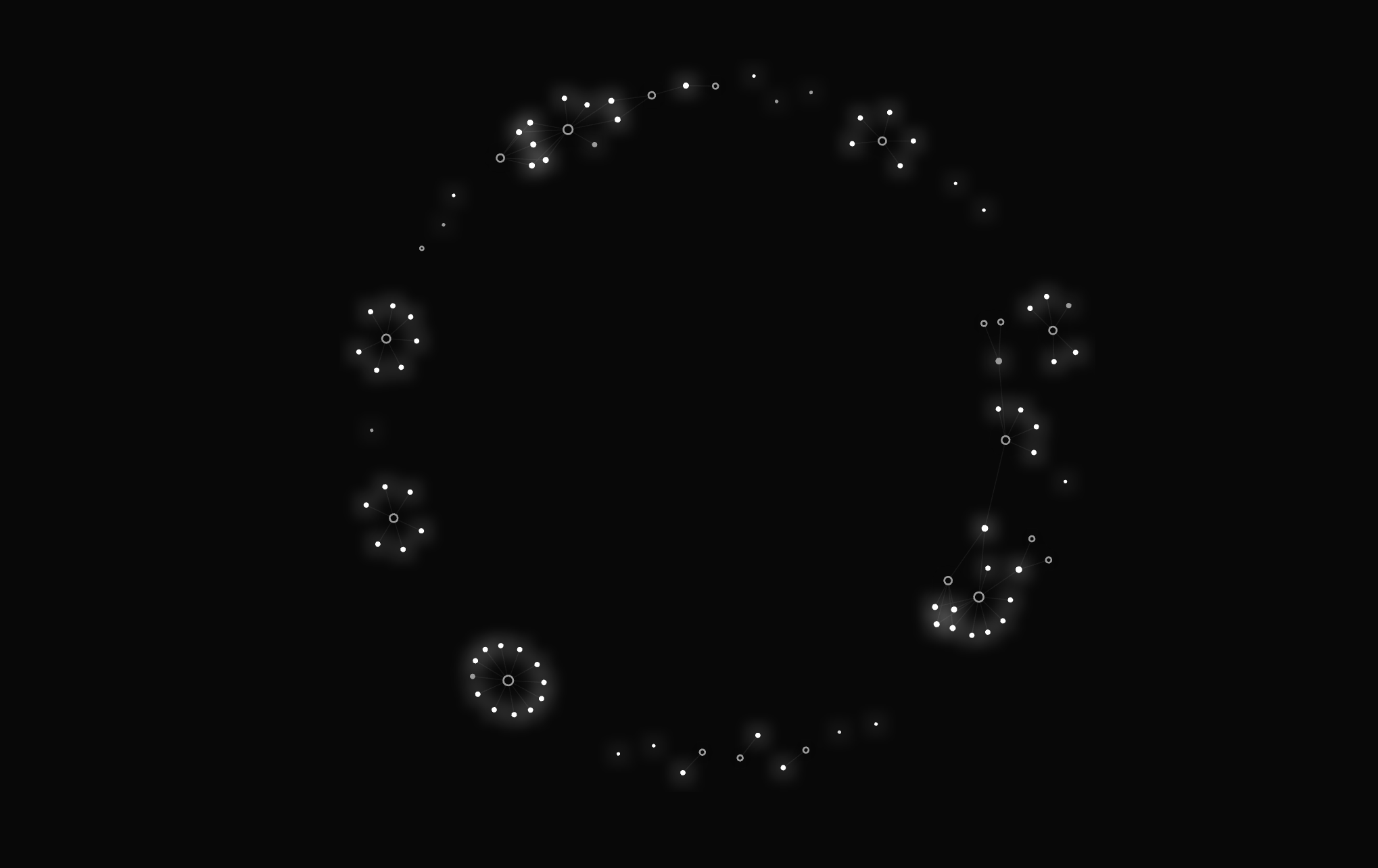
The Engine Codex
An experimental archive for organizing a large speculative taxonomy of engines, drives, entities, and related phenomena.
-
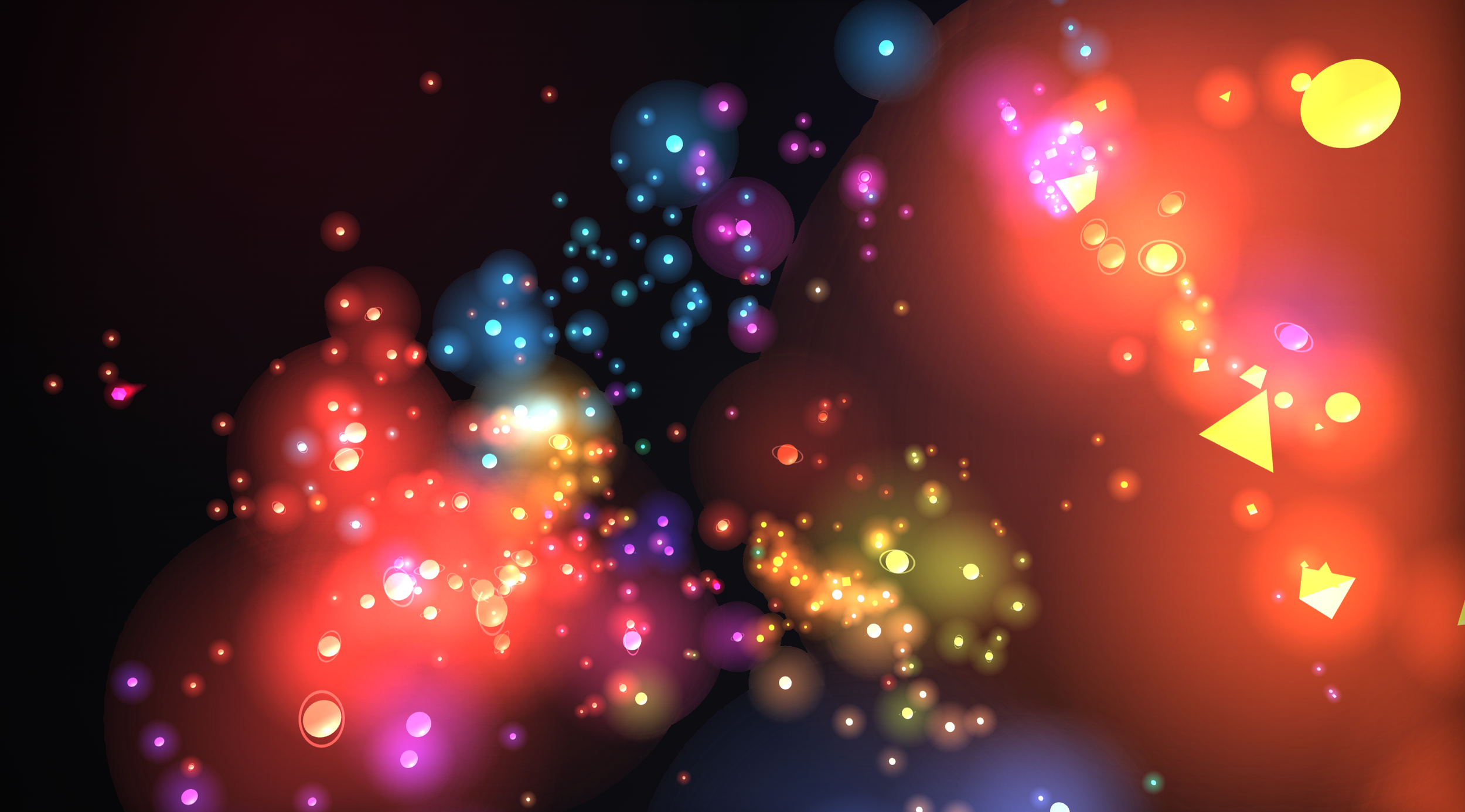
Into the Poppyverse: An Interactive Map
A spatial interface for exploring relationships across a nonlinear fictional universe.
-
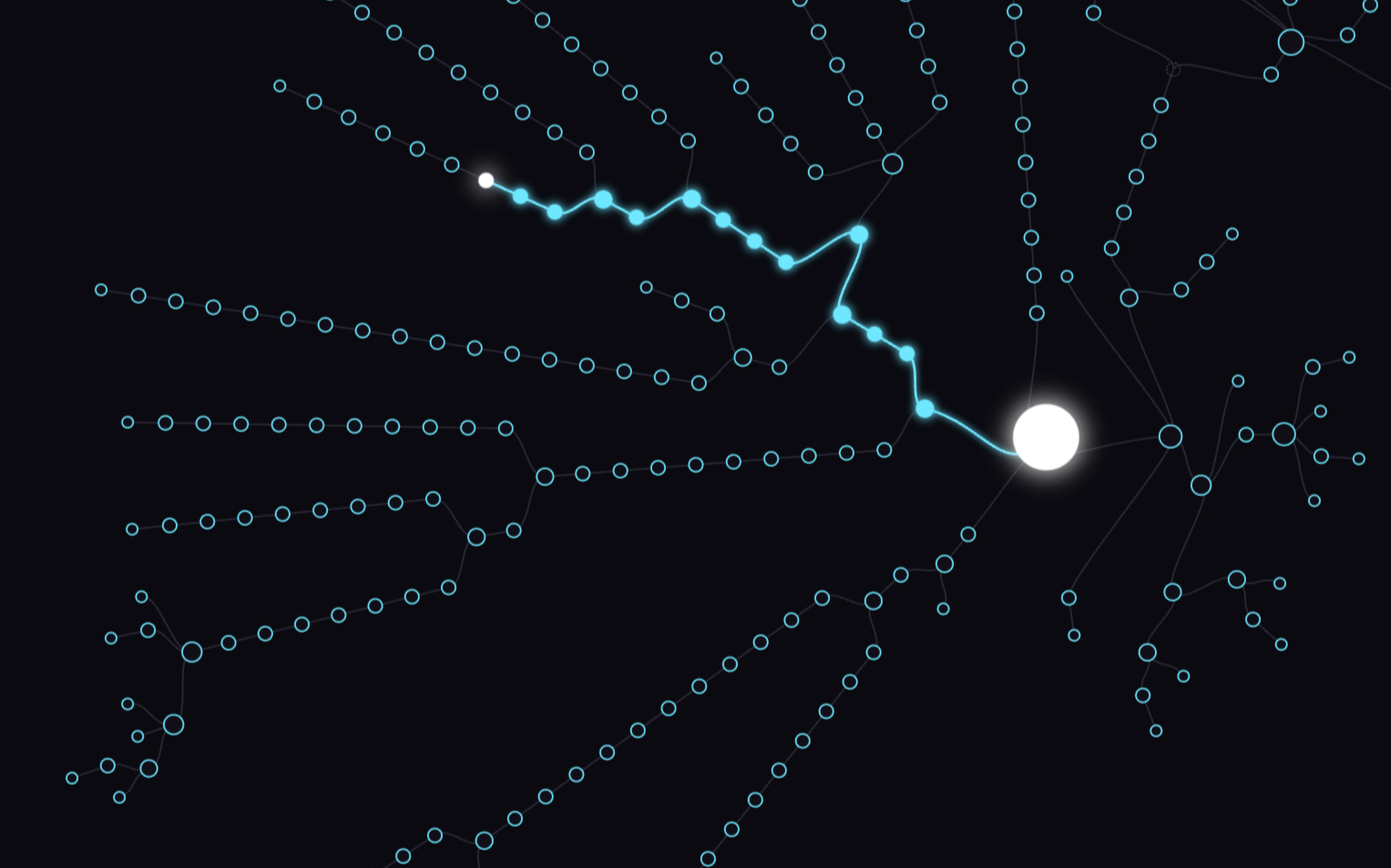
Latent Exploration
What happens when you follow AI-generated video down its own rabbit hole and refuse to stop?
About
Helen He is a designer and software engineer interested in how people understand and interact with increasingly complex technology.
Her work spans consumer products, AI, aerospace, and experimental systems, with a particular interest in interfaces that make system behavior, state, and uncertainty easier to understand.
At Stanford, she studied computer science, human-computer interaction, AI, and architectural design, a combination that left her suspiciously interested in both the interface and whatever complicated machinery is hiding behind it.
In quieter hours, she likes to illustrate and photograph stray light patterns on walls.